
By Alex Williams
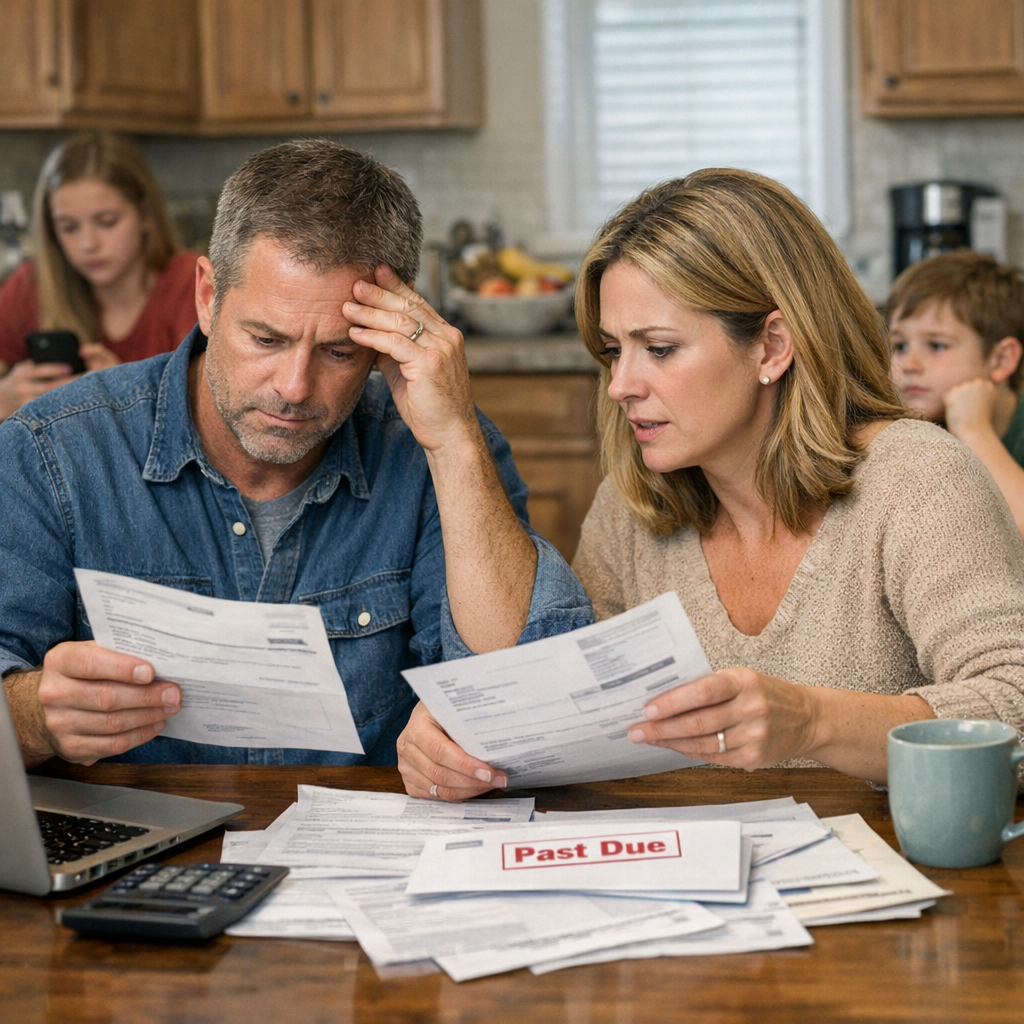
The U.S. economy is painting a mixed picture: while some economic indicators like incomes and job growth show strength, inflation continues to challenge households across the country.
Persistent Inflation vs. Slowing Spending
Recent data from July reveals that consumer prices rose 3.4% over the past year, and though some core measures—excluding volatile food and energy—haven’t spiked, they remain well above what many economists consider healthy. Meanwhile, consumer spending is edging downward as inflation erodes purchasing power and households tighten budgets.
Labor Market Remains Stable—but Tight
The labor market continues to show stability. Job openings and unemployment rates suggest a workforce that’s broadly in balance rather than one under severe strain. However, wages adjusted for inflation are only inching upward. Lower-income households, who spend more of their income on basics like energy and housing, feel pressure the most.
Confidence Is Low, Partisan Divide Deepens
According to recent public opinion research, many Americans say the economy has worsened under current policies. Concerns are especially high around the cost of food, energy, healthcare, and housing. These economic worries are shaping political views, including during debates over policy ahead of key elections.
Implications for Policy and Politics
Inflation and economic conditions are likely to remain central themes as lawmakers and the administration weigh rate decisions, regulatory action, and budget priorities. For voters, this means that everyday issues like grocery bills and gas costs may matter more than abstract macro-indicators.
National trends are always reflected locally—whether it’s rent hikes in Birmingham or rising grocery bills everywhere. As these pressures persist, economic trust will be tested.