

By Evan Stewart
What It Means to Belong
For many in Birmingham, belonging is defined not by flashy projects or big headlines but by everyday stability: having a decent home, trusting your neighbors, knowing your landlord pays attention, and feeling safe where you live. These are things that often go unnoticed in the buzz of civic debates, yet for thousands, they make or break a sense of home.
Rooted in Home, Not Just House
In conversations across neighborhoods, a recurring theme is homeowners who worry more about keeping their roof repaired, their title clear, or their insurance affordable than about new developments. As one local nonprofit leader put it, “It’s not just about building enough; it’s about helping families stay in the homes they already have.” That means focused support for aging roofs, for legal aid around property titles, and clearer communication about available exemptions and tax reliefs.
Voice, Power, and Everyday Agency
Another cornerstone of belonging is being heard—and seeing something change. Too often, residents share frustration that city decisions—whether data centers, ordinance rules, or public service—feel like they happen around them rather than with them. Still, there are signs of progress. New laws are beginning to reflect resident feedback. Community leaders are pushing for more transparent meetings and clearer pathways for participation. The more people know, the more they engage, and the more fairness follows.
Hope Woven Through Challenges
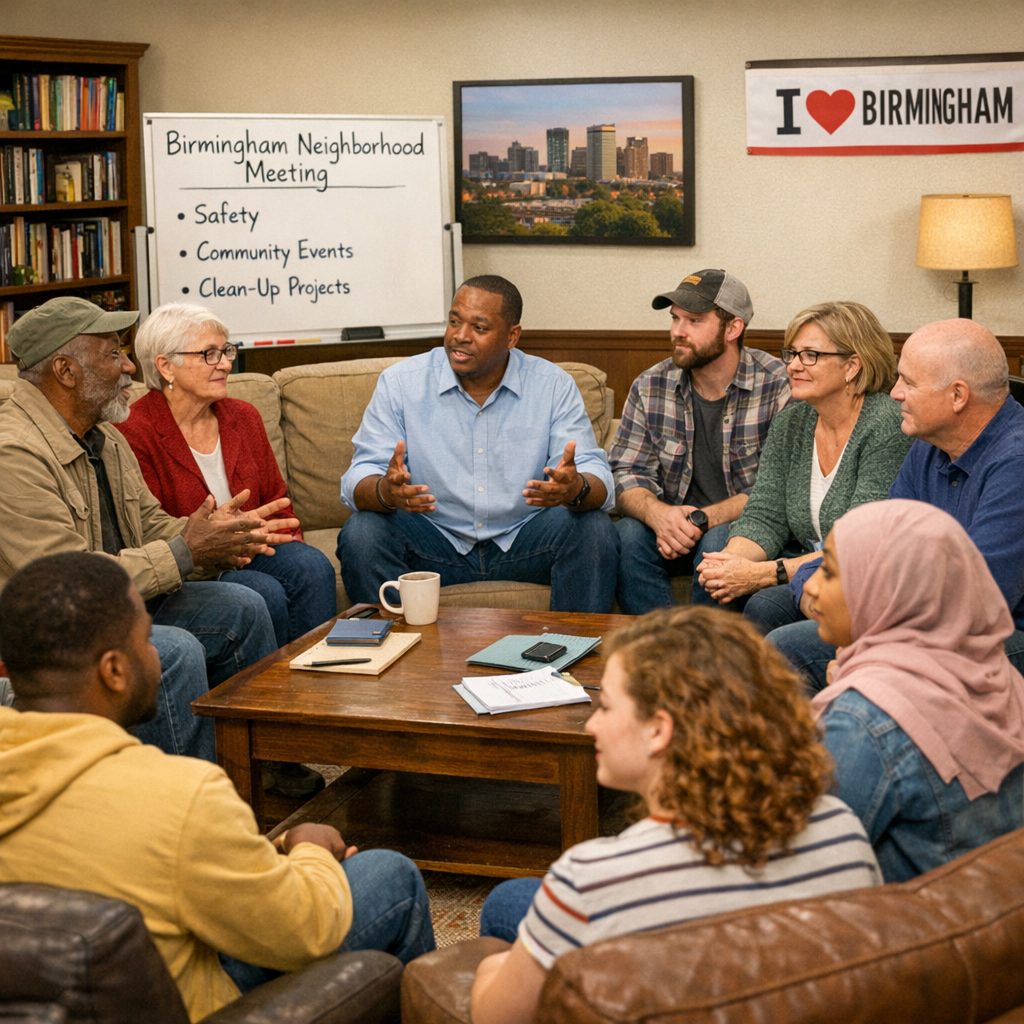
The distance between challenge and hope can be close. Issues like homelessness, stormwater infrastructure, or public safety don’t have instant solutions. But people are showing up—not just at council meetings, but at kitchens, in block associations, garden plots, and neighborhood events. These are the places where relationships form and changes start to matter.
What We Can Build Together
Belonging in Birmingham isn’t built top-down; it’s constructed when city support aligns with what people already care about. Practical steps like helping long-term residents with home repairs, ensuring utility costs are not painfully high, opening meaningful public spaces, and recruiting diverse resident voices into policymaking make a difference. When someone feels like your voice isn’t just heard but acted upon, that turns neighbors into invested citizens.
Birmingham’s future doesn’t hinge on grand plans alone—it depends on the small things: respect, safety, stability, and opportunity. If we focus, as a city and as neighbors, on growing those roots, then the branches of progress will reach every street.