

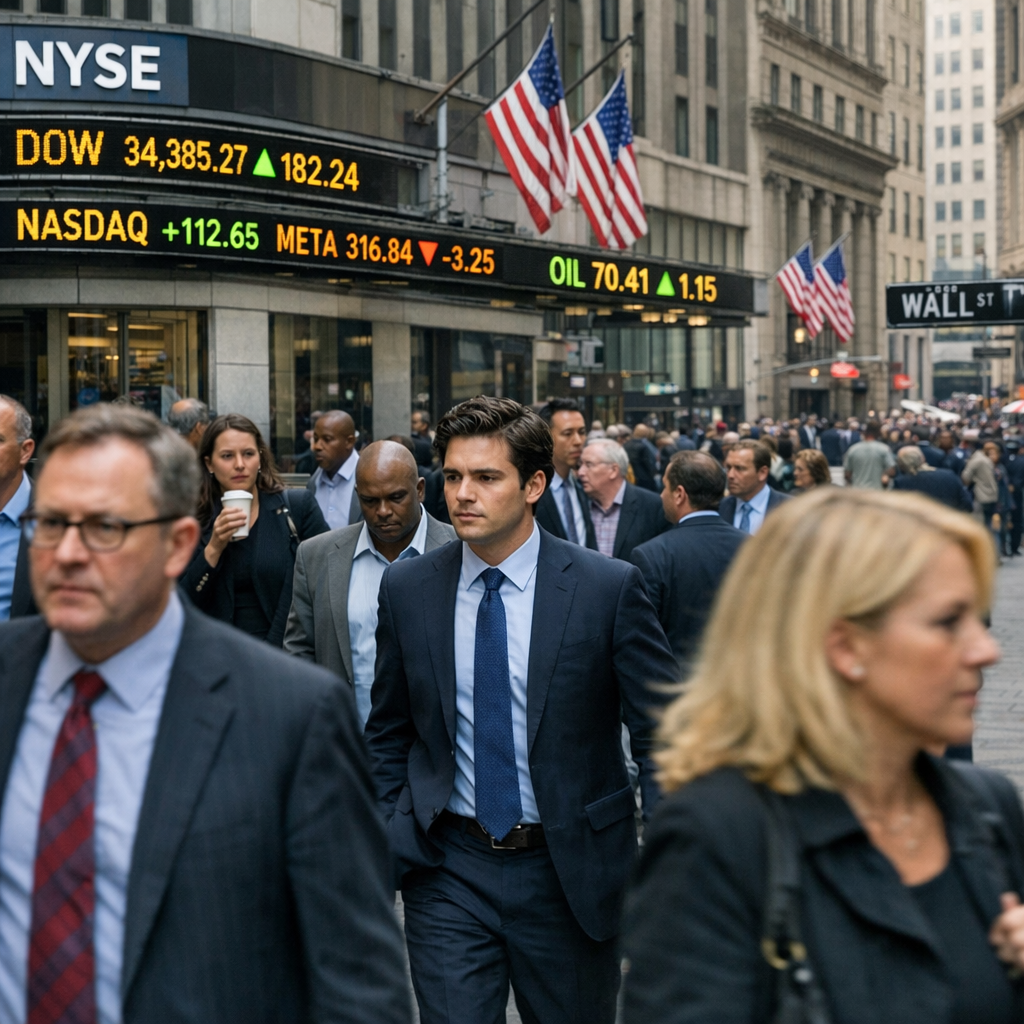
The U.S. economy continues to demonstrate resilience in the face of global challenges. Recent assessments project a growth rate of 2.4% for the fourth quarter of 2026, an increase from the previous year’s 2.2%. This positive trajectory is accompanied by a decline in the unemployment rate, expected to reach 4.1% by the end of 2026.
Inflation and Monetary Policy
Inflation remains a focal point for policymakers. The International Monetary Fund (IMF) anticipates inflation aligning with the Federal Reserve’s 2% target by 2027. In response, the Federal Reserve has adjusted its benchmark interest rate to 3.4%, with a cautious approach to further reductions unless significant changes occur in the labor market.
National Debt Concerns
Despite positive growth indicators, concerns about the national debt persist. BlackRock CEO Larry Fink has highlighted the potential risks associated with rising debt levels, emphasizing the need for fiscal discipline to maintain economic stability.
Global Influences
International events, such as ongoing conflicts in the Middle East, have introduced uncertainties into the global economic landscape. These developments have the potential to impact energy markets and trade routes, which could, in turn, affect the U.S. economy.
Local Implications
For residents of Birmingham, Alabama, these national and global economic trends have tangible effects. The city’s economy, with its diverse sectors including manufacturing and services, may experience shifts in employment opportunities and consumer prices. Staying informed about these developments is crucial for both individuals and businesses in our community.
As we navigate these complex economic times, understanding the interplay between national policies and global events will be essential for making informed decisions at the local level.